Having Problems?
Here are some helpful guides to common issues that logburner owners may encounter.
Cracked Firebricks
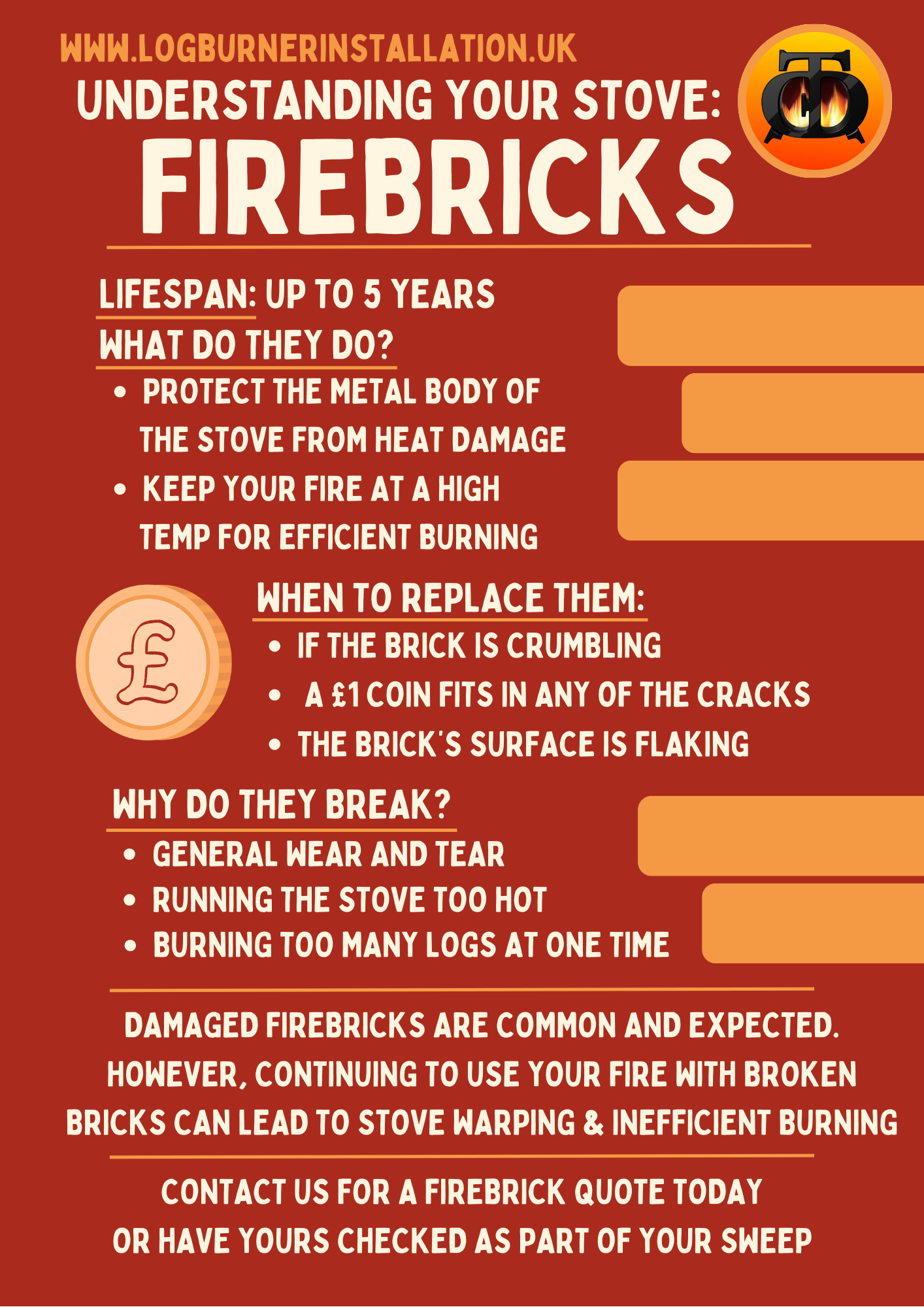
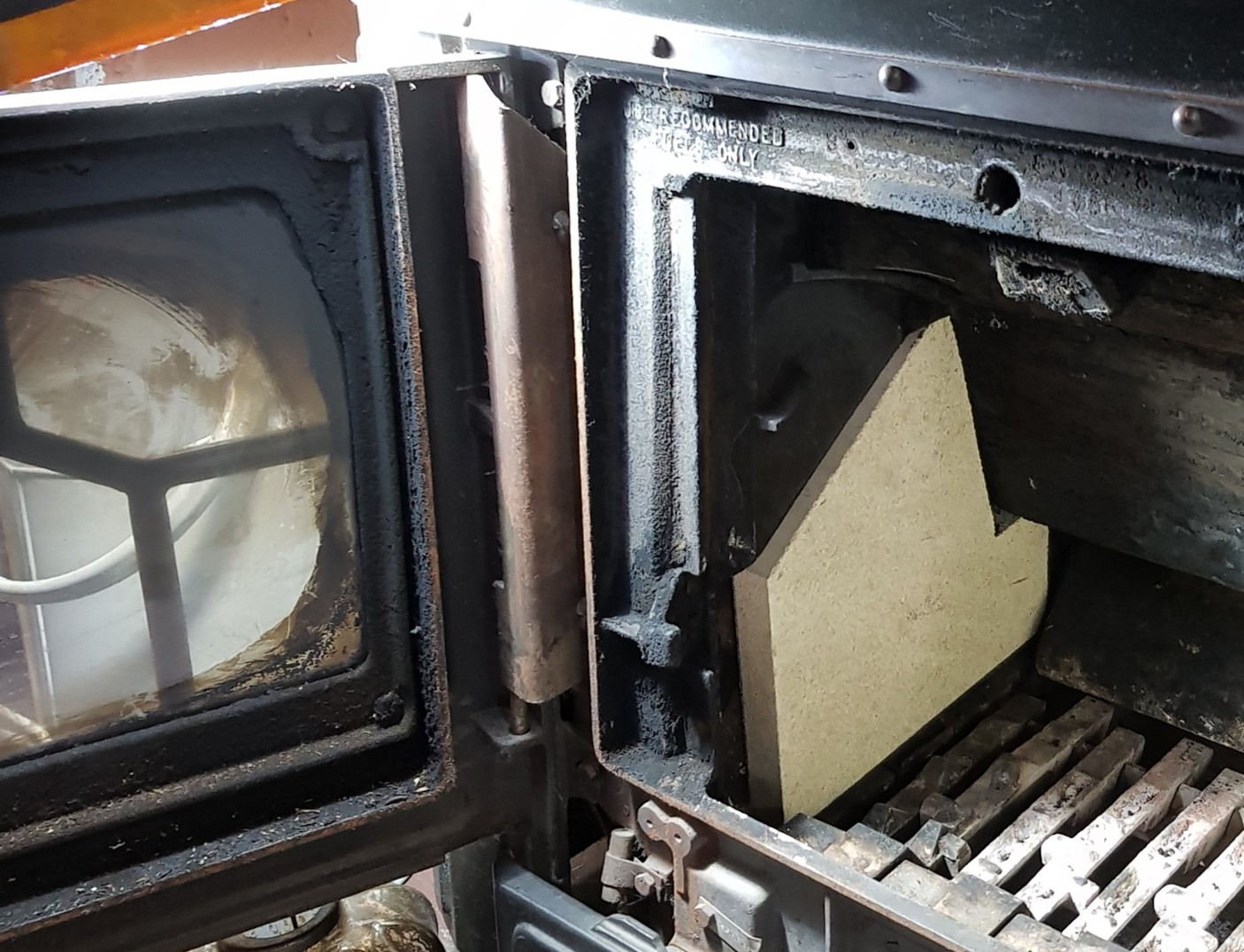
Firebricks or stove liners found inside logburners are made from vermiculite and can last up to 5 years if treated correctly. They protect the body of the appliance from damage caused by the heat of the stove and act as a insulator thus keeping the stove burning at higher temperatures with less fuel, which is referred to as fuel efficency.Cracks are very common as the heating and cooling of the bricks stresses the material and users aren't always gentle when loading logs into the firebox.
They do not usually need replacing until the brick is crumbly, the surface is flaking off or you can fit a £1 sideways into the crack (over 2mm).
Using a stove with damaged firebricks or no firebricks can lead to warping of the stove and burning more fuel.
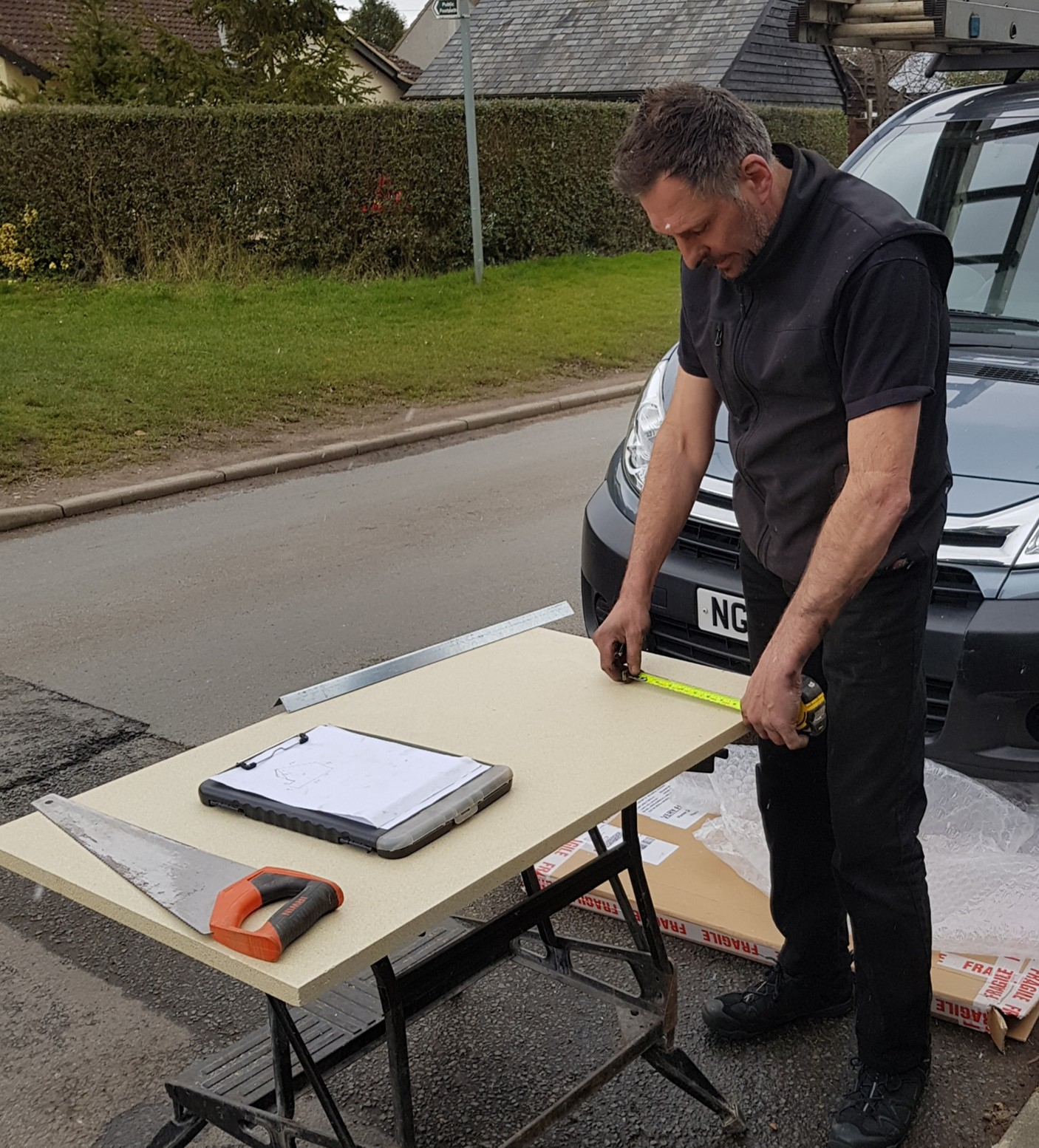
You can usually purchase new firebricks from the manufacturer of the stoves website or we can visit to bespoke cut one or a whole set for you.
.jpg "While it's hot cresote looks like tar")
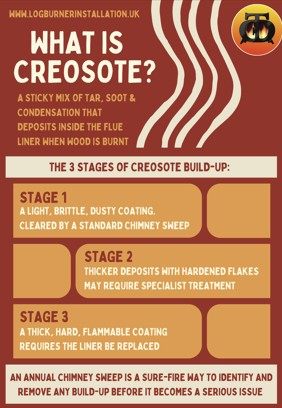
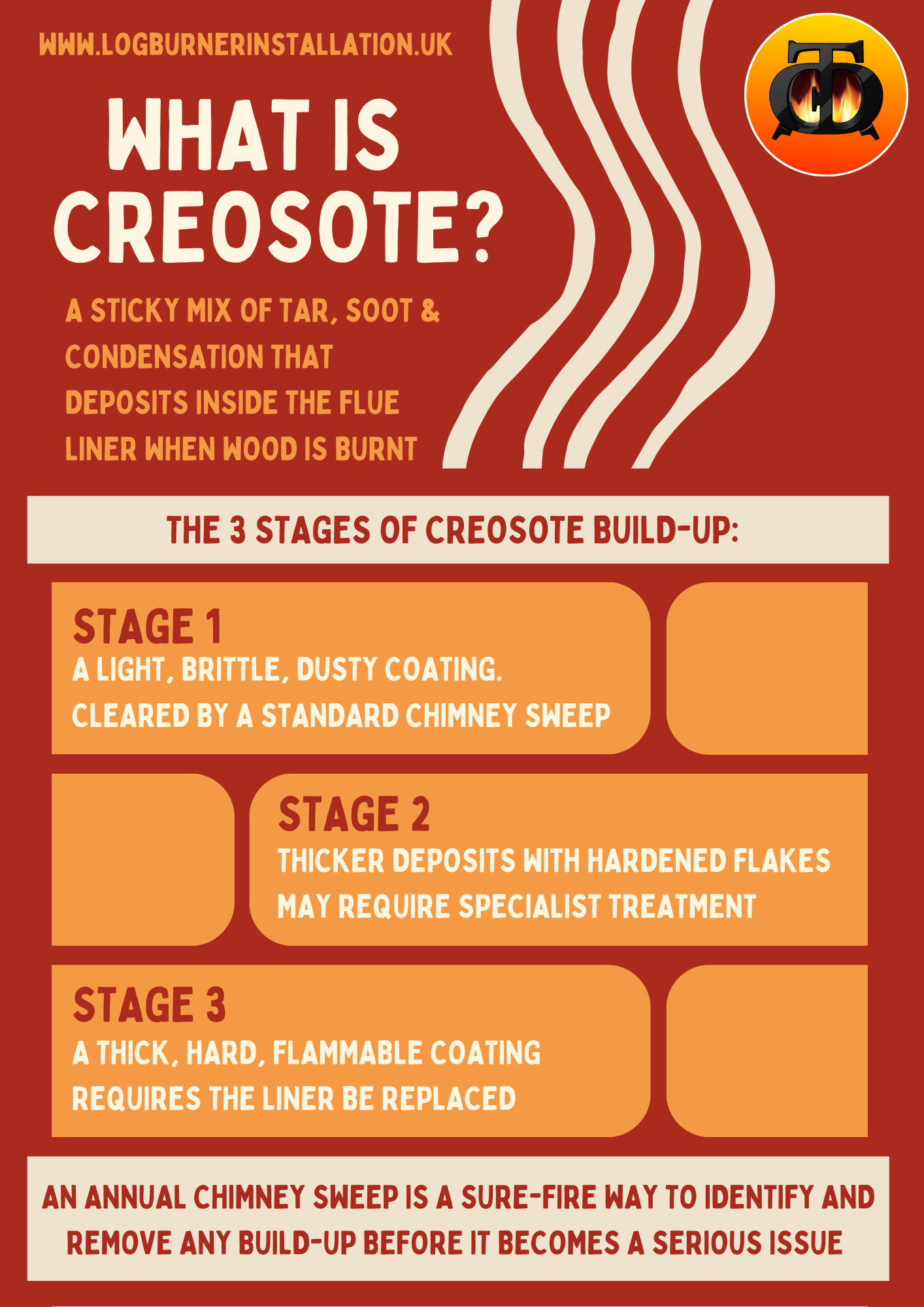
Tar is dripping onto/ inside my logburner
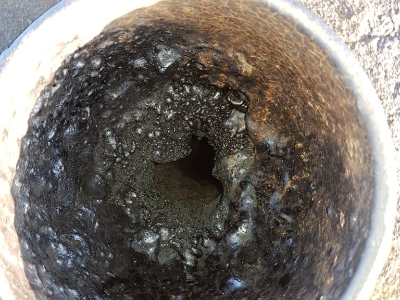
Tar is extremely difficult to remove from your chimney, liner or stove. It can ruin your installation and the damage it causes be costly to repair. It's looks like a black liquid when wet and dries solid and brittle and can block your flue leading to smoke build-up and carbon monoxide poisoning.
The best ways to keep tar away are;
1) Make sure your wood/ log burner is fitted properly, by a HETAS engineer preferably.
2) Burn the correct fuel in the correct temperature range, too low a temperature creates creosote.
3) Fit a solid fuel cowling. These stop rain from cooling your chimney when in use and mixing with soot. They also keep birds from nesting in the chimney flue.

Flames are hard to control/ Smokey
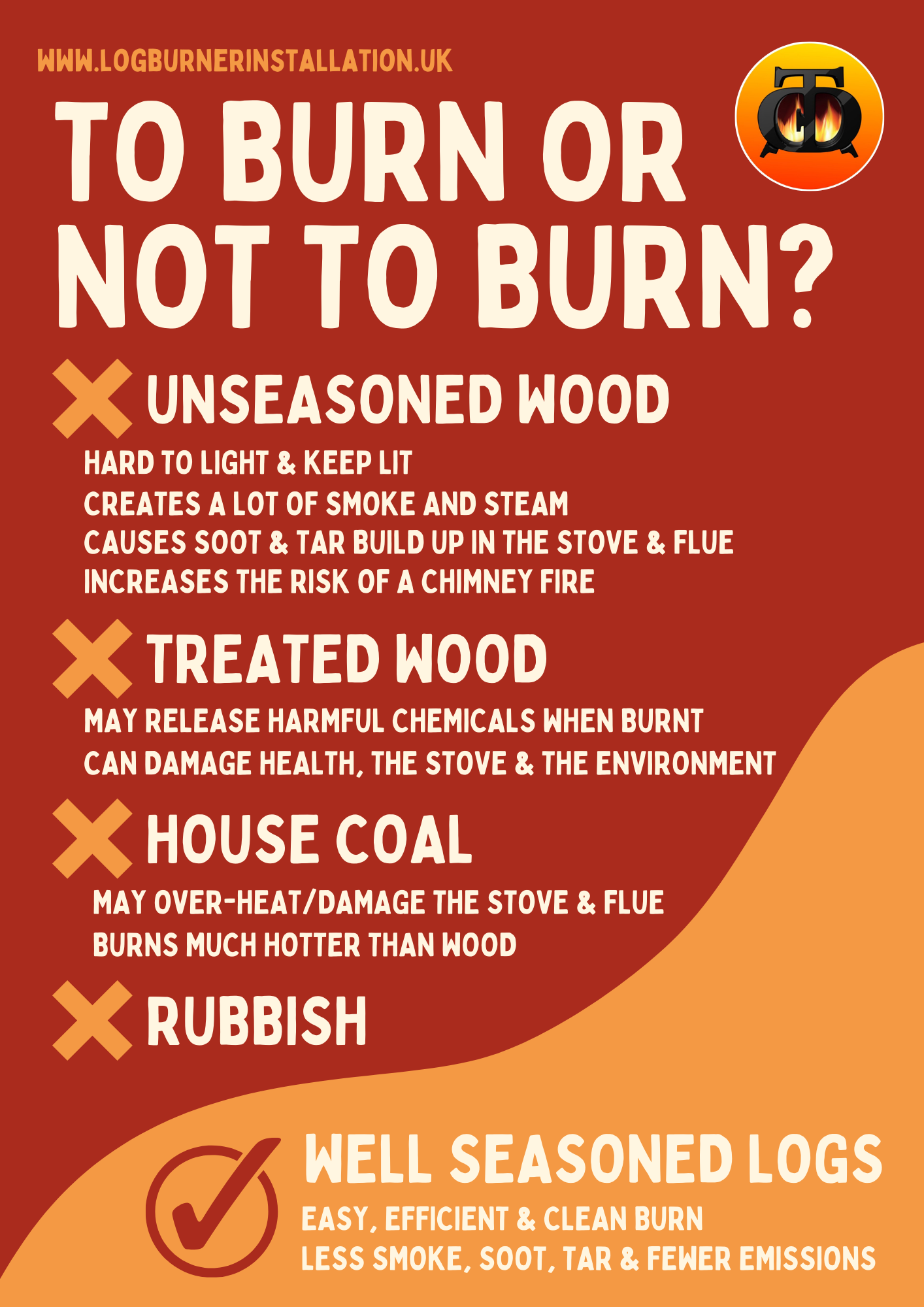
This can be for a number of reasons but the biggest cause is using the wrong fuel. Log burners are designed to use seasoned wood in order to achieve their advertised efficency and clean burning ratings.
Smokeless coal can also be efficently burned but it is not usually as efficent. Logburners are not designed to burn household rubbish and indeed this can damage both it and your liner which can be an expensive lesson to learn.
Seasoned wood means that the tree has been left to dry out for around 2 years and has a moisture content under 20%. It is sometimes referred to as 'green' or 'wet' which is different from wood that has been left out in the rain. Freshly cut branches from your apple tree are classed as unseasoned wood should not be burned until fully seasoned.
Look for the ready to burn logo when buying fuel to make sure it is of good quality.

Flames are out of control
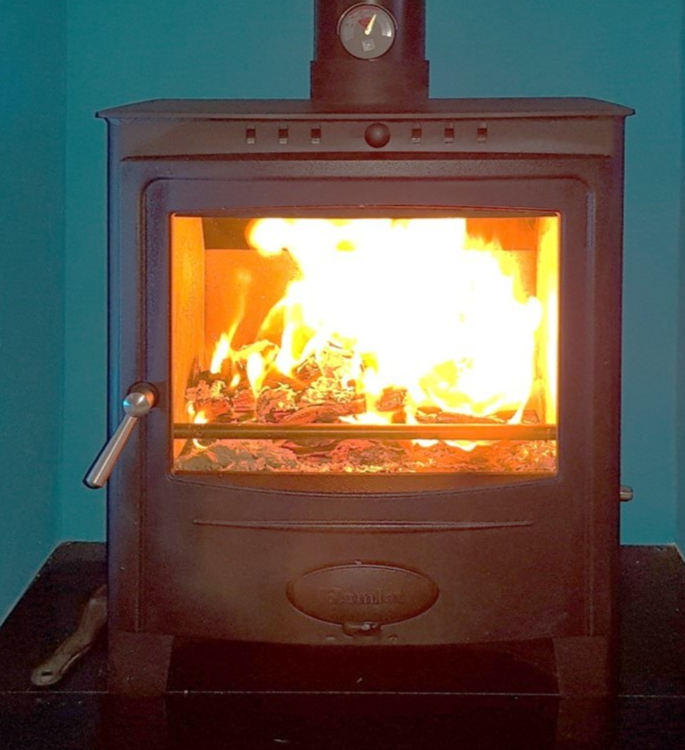
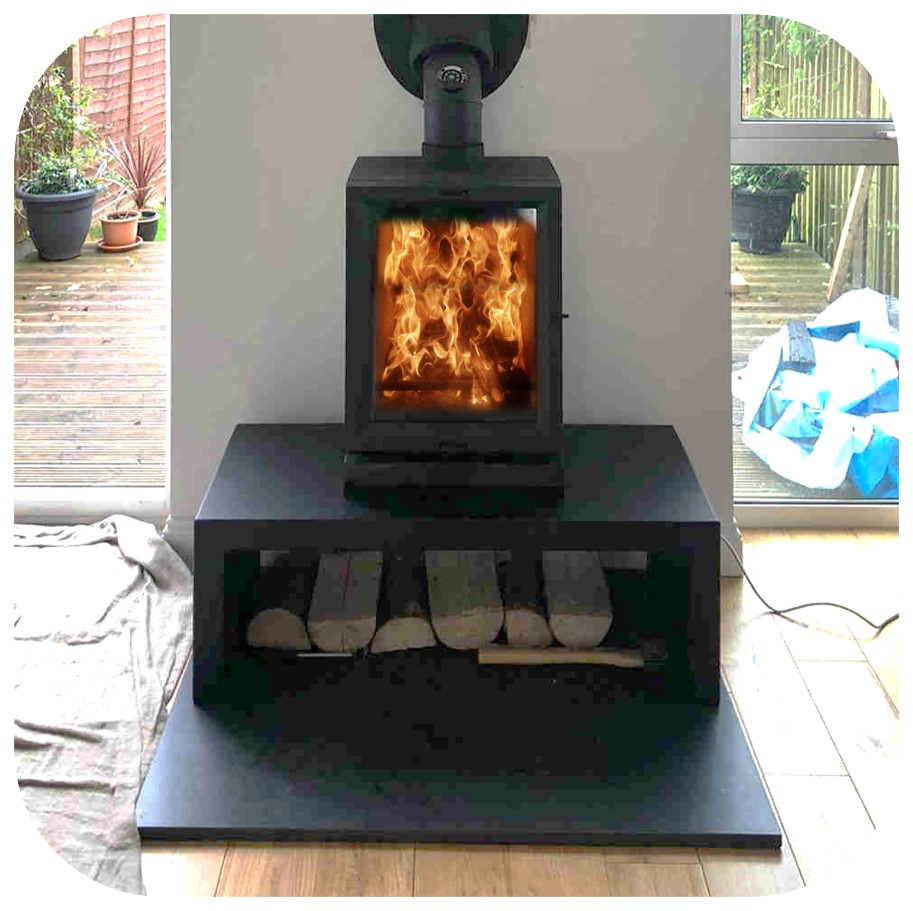
If you decide to burn kiln dried wood you may find that your stove is burning through it really quickly. Make sure that you turn the air down on your stove and add some less seasoned wood to balance out the flames.
Also, ask your chimney sweep to check the seals on the door and the glass in case extra air is able to enter and feed the fire.
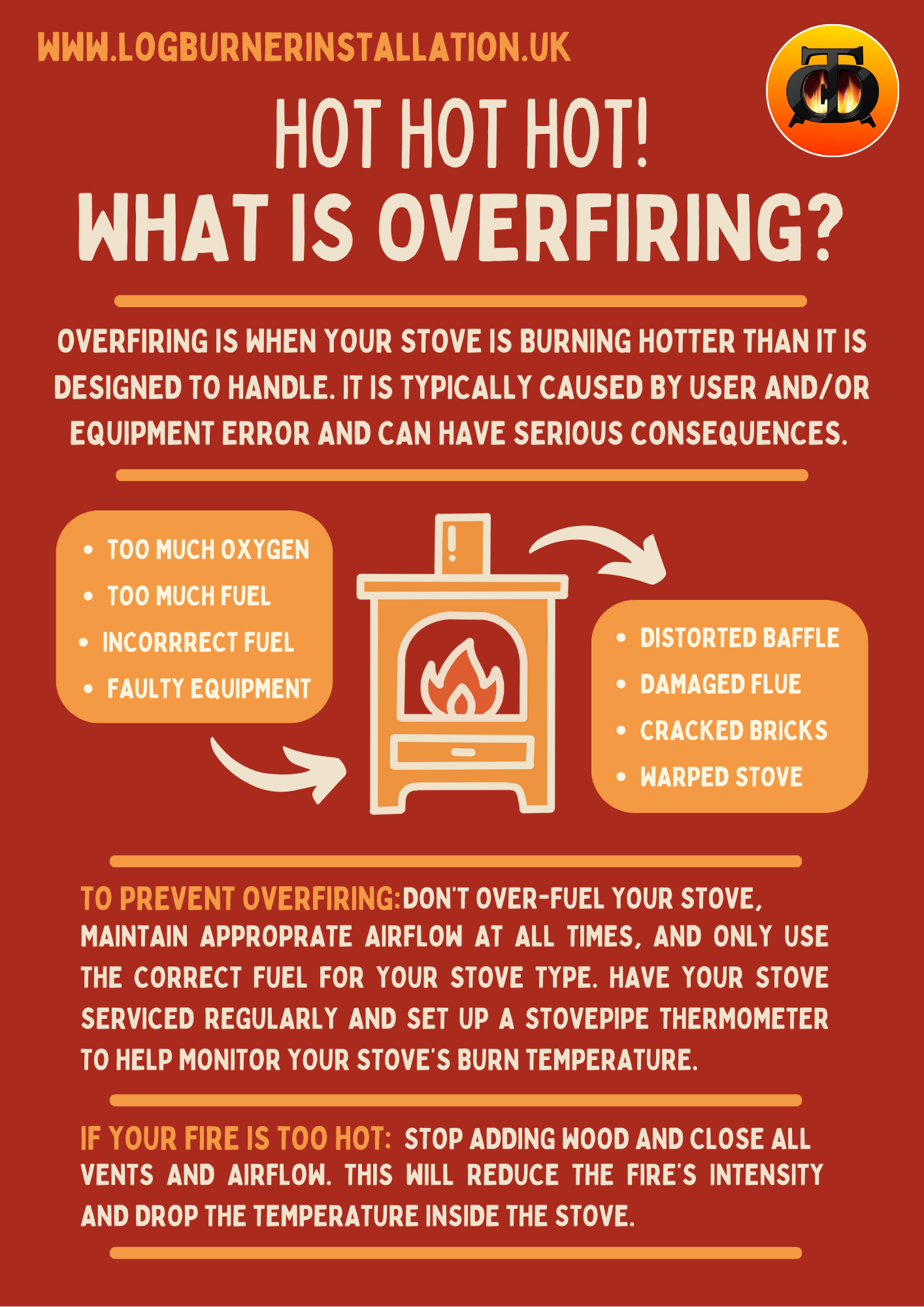
Overburning your stove / burning it too hot can be very damaging to your liner ( often forgotten about once installed ) and stove. It can damage your firebricks and warp inner parts such as the baffle which can be costly to replace.
This is why we always give our customers a free stove pipe thermometer when we install a wood burner or multifuel stove for them. It's a simple device that is really helpful and lets you see visually when your stove is burning too hot ( and too cold )
Damage to your liner
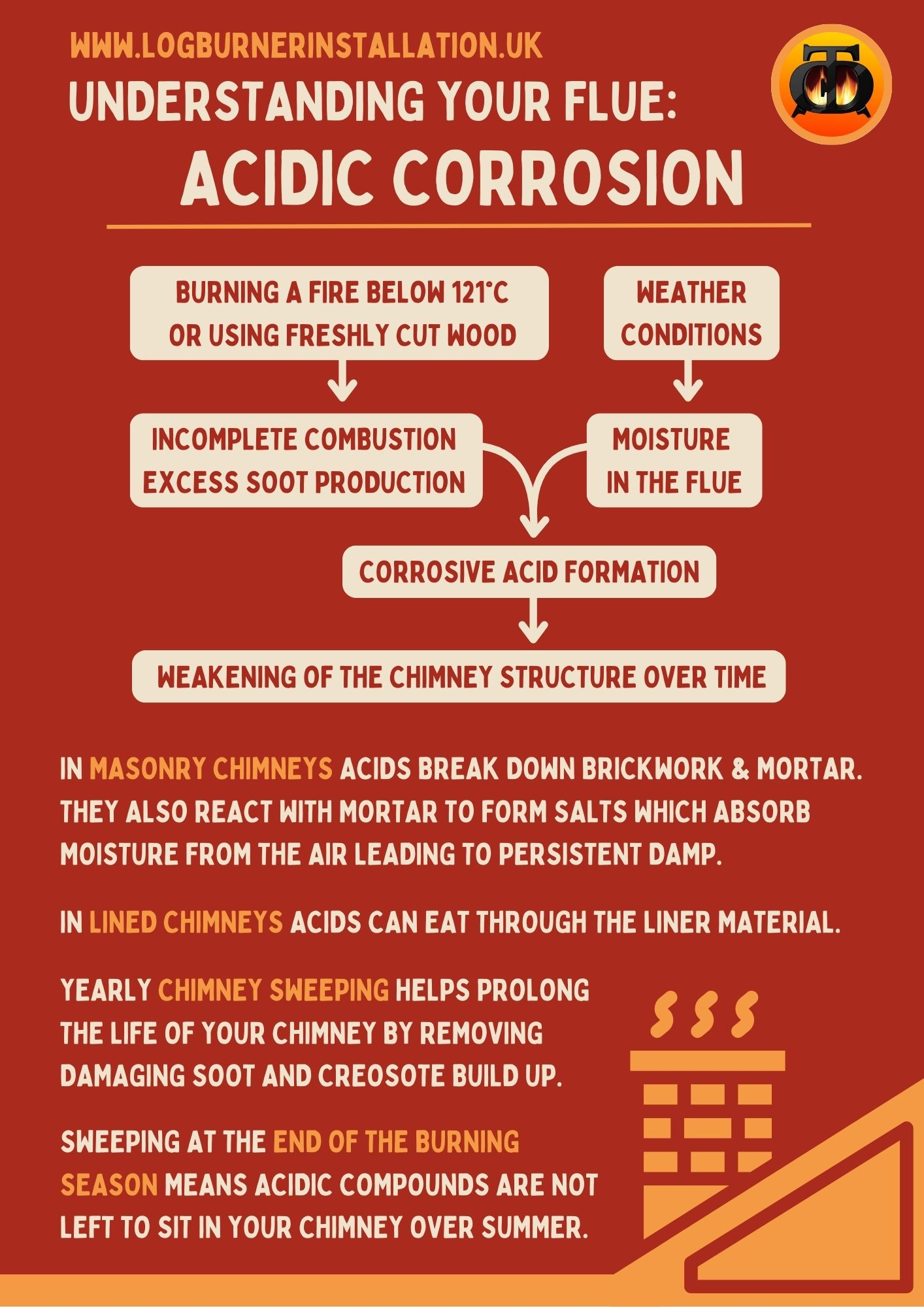
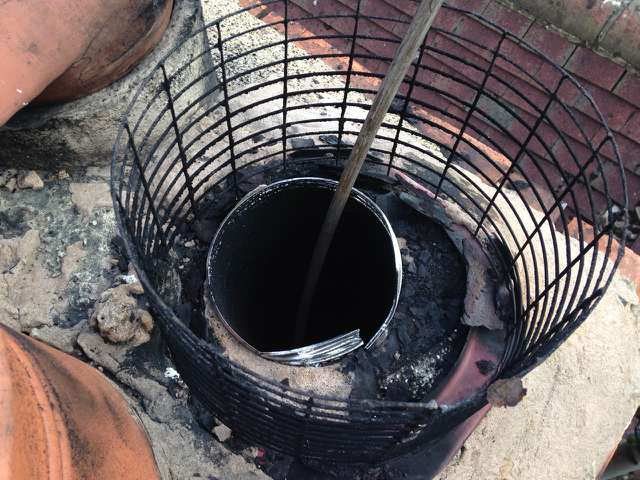
Leaving soot in your liner over the warmer months of the year is well known as the cause of acidic corrosion of the stainless steel.
Smokeless coal is the worst culprit. You might think that stainless steel liners can't corrode, that's why it's called stainless, but it's not true because they’re only corrosion-resistant under the right conditions — not corrosion-proof. You might also think that your chimney can't corrode but it can.
The acids in soot can combine with damp in the flue and create Sulfuric Acid (H₂SO₄) , Sulfurous Acid (H₂SO₃) , Nitric Acid (HNO₃), Carbonic Acid (H₂CO₃),
Acetic acid and Formic acid, which all can damage cement, bricks and stainless steel.
Make sure that you get your chimney swept at the end of the burning season, around May, June or July so that it stays clean over the summer months. Book a chimney sweep online.

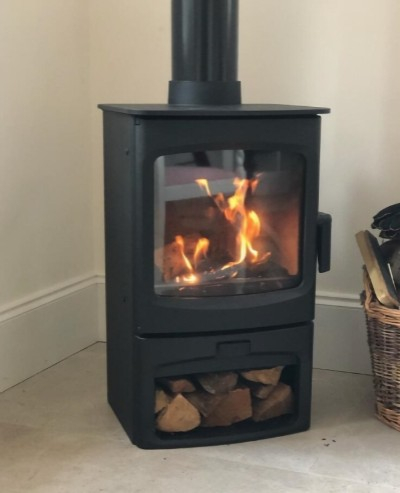
Fire does not burn through the night
The practice of keeping your fire going through the night is not encouraged these days. Modern stoves are easy to light and are not usually designed for constant use ( unlike AGA range cookers ).
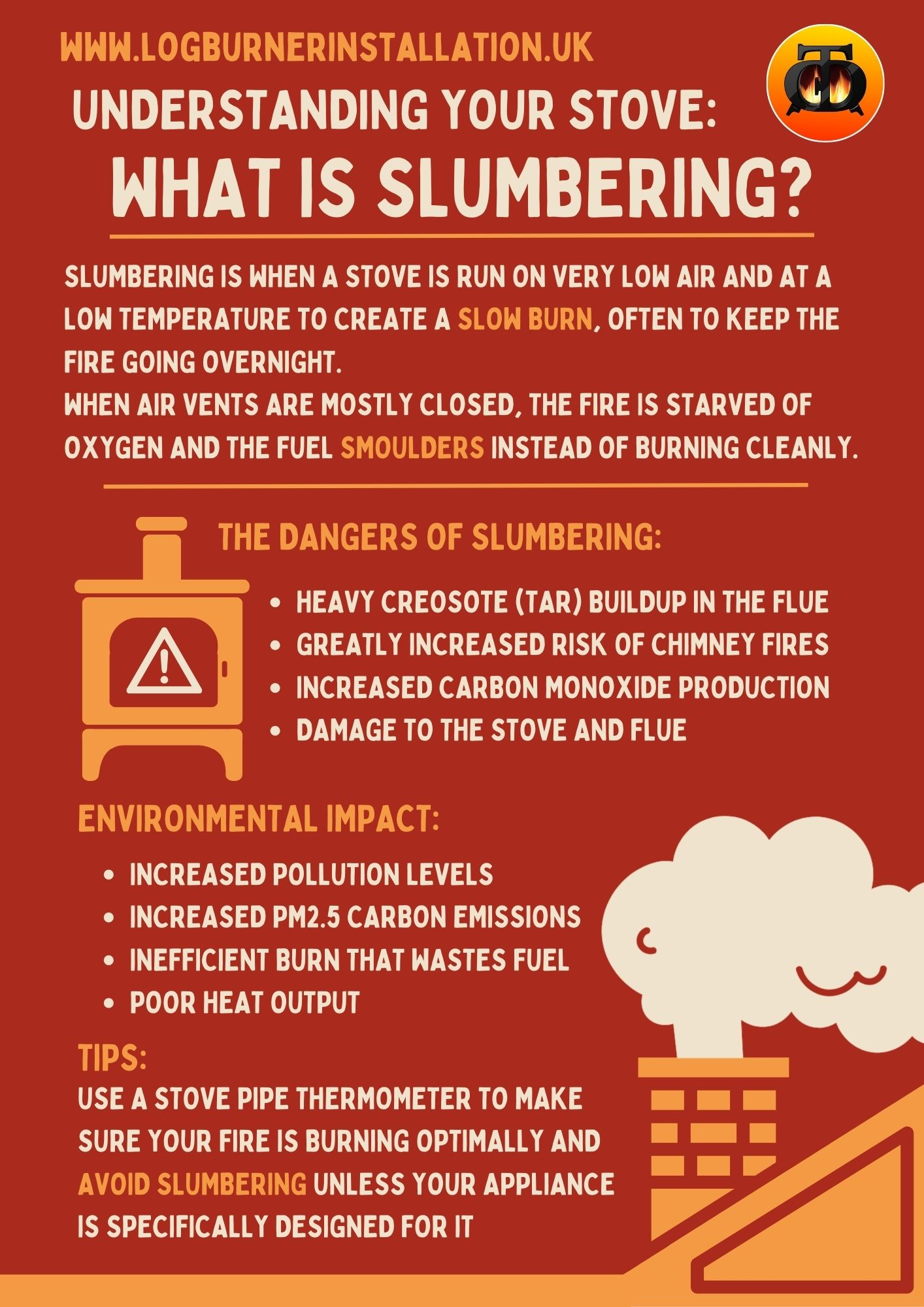
Burning your fire too low, or slumbering as it's commonly known, is when you fill your stove with a lot of fuel and then close off all the air in the hope that it will burn slowly through the night. It's impossible in modern stoves and logburners as the air can never feel fully shut down.
It not only damages your appliance as it creates more soot and tar or creosote and is a large contributor to air pollution, it also wastes fuel and may lead to you needing to replace your steel liner.
There's also the danger of carbon monoxide poisoning if the stove should start to leak in the night due to air pressure differences.
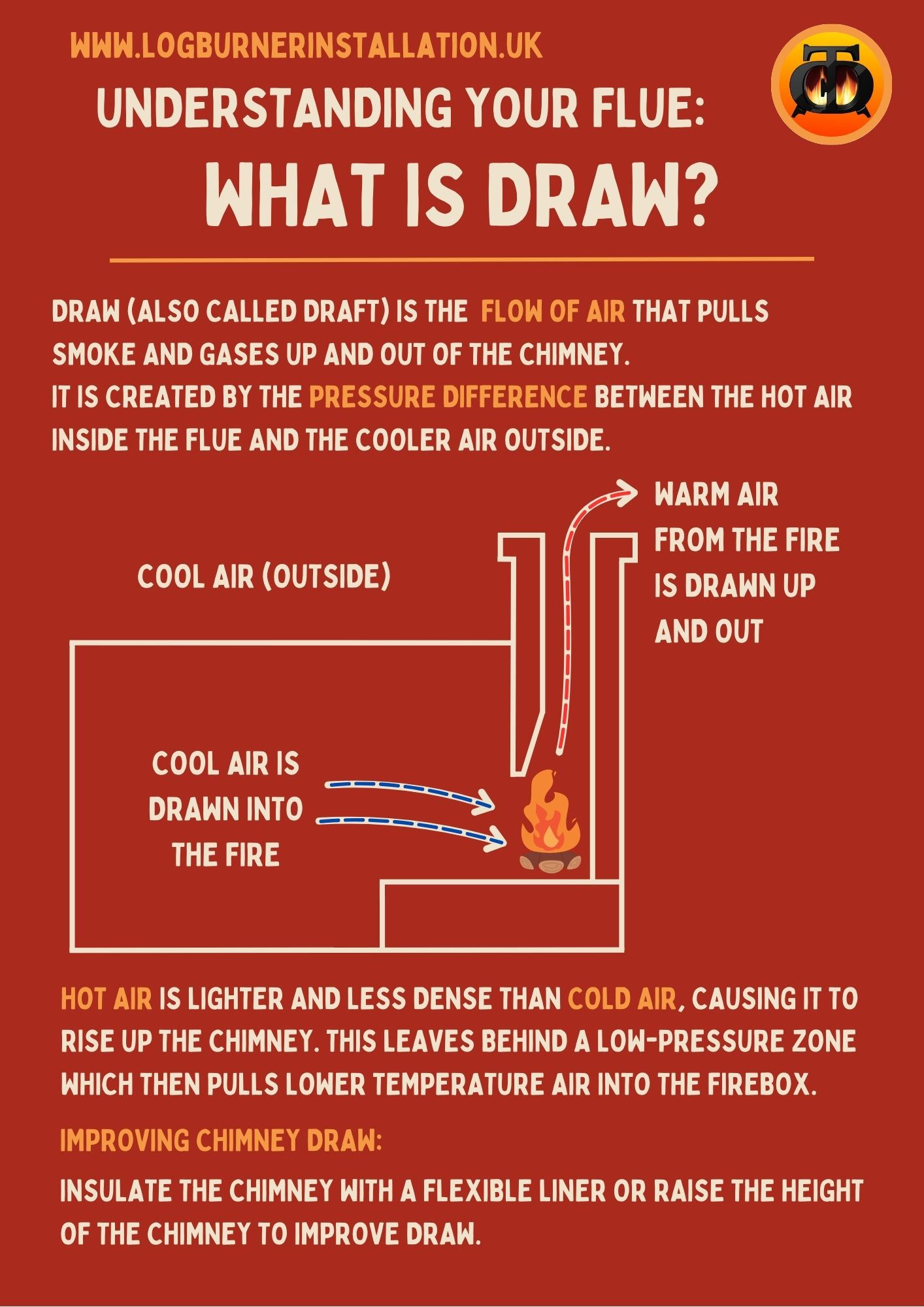
Poor draw in the chimney flue
Draw is the flow of air through your chimney caused by pressure create by different temperatures inside and outside. Symptoms of poor draw are smoke coming back into the room via the air control vents, low burning rates with fully seasoned wood, hard to get the fire going with dry kindling / fire lighters. No sign of a lazy flame that indicates an efficient and clean burning fire.
If you have poor draw, you might find that an anti-downdraft cowl will help increase the pull of air upwards or you may need to extend the chimney to give it more pressure differential. If you don't already have a flexible liner fitted to your logburner or multifuel stove, then you will find that this will improve the draw of your stove and also it's efficiency.
Without air your fire would not burn, without air you could not breathe. Don't buy a stove that is too big for your room or property as the fire will be fighting you for oxygen and you may not win. Use our stove size calulator to make sure.


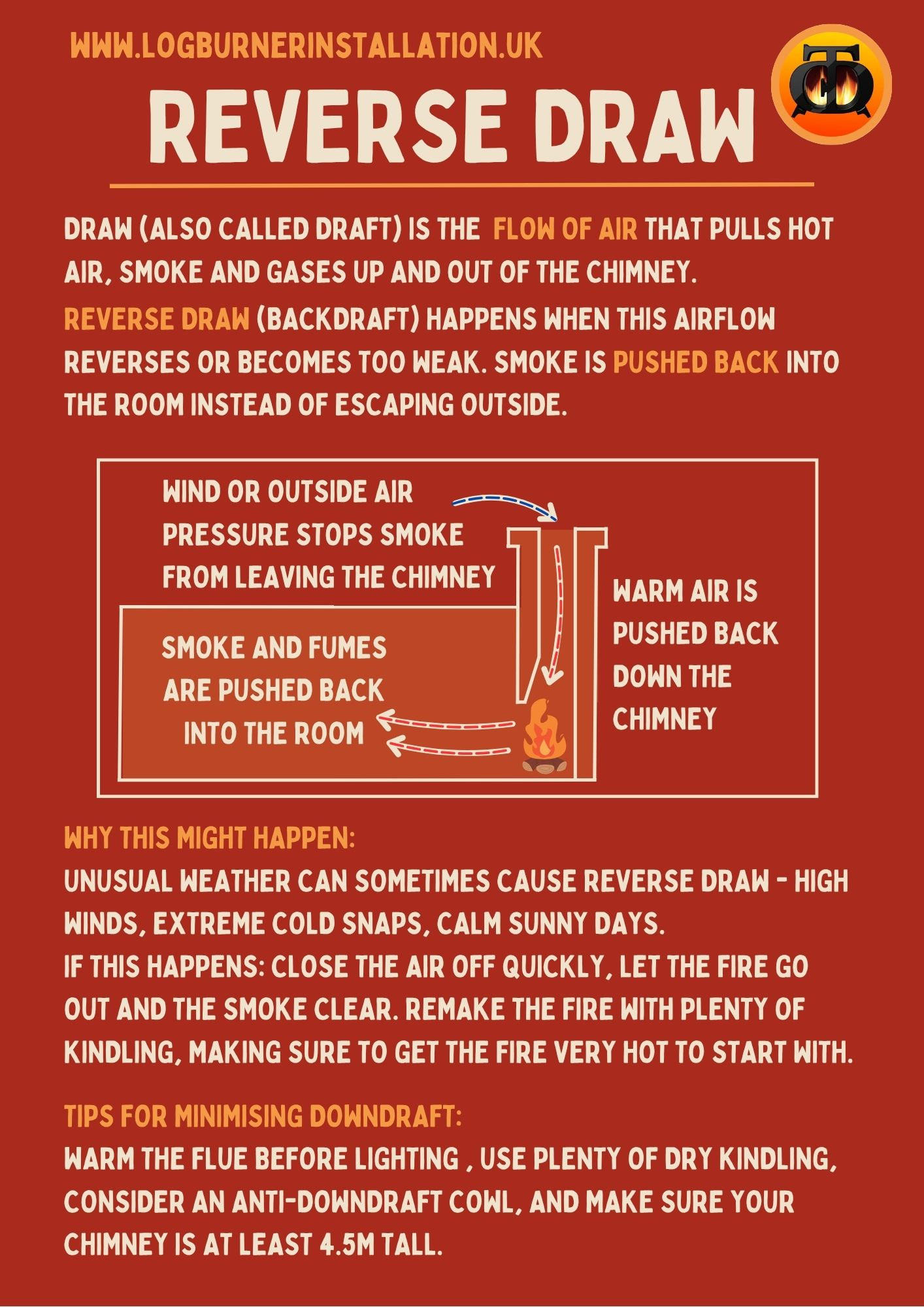
Reverse draw in the chimney flue
Unusual weather conditions can affect how draw works in your chimney. A cold block of air inside your stack can prevent it from lighting properly and smoke you out of the house. It's nothing to worry about though, you just need to wait for the smoke to clear and then try again with hotter and more kindling. Wait for a good bed to lay your dry logs on.
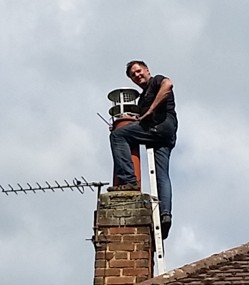
On the odd accasion that this doesn't work, you may need a chimney sweep to push a brush up there and this will clear the air blockage out.
If your chimney flue is less than 4.5metres you are likely to have reverse draw constantly, so call us for a quote to alter your stack or twin wall so that it meets building regulations. Book a quote
Worried about Air Pollution?
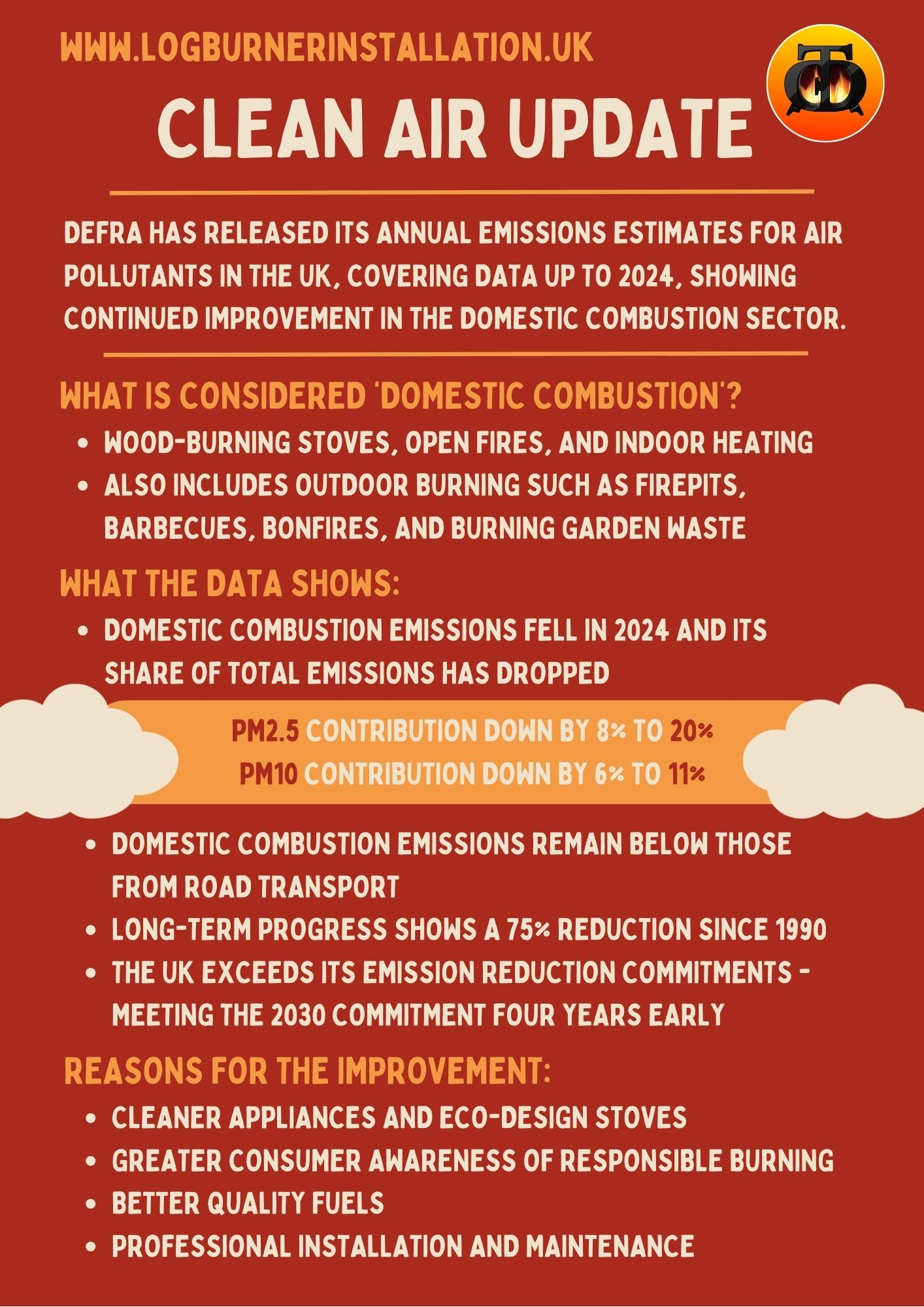
You might be surpised to know that UK stove manufacturers have been making Eco-compliant stoves since 2021, way before the deadline was set. As a consequence air quality has improved inthe last couple of years. DEFRA still think that there is more to be done by stove manufacturers to make them even more efficient but the main problem is how the stove is used.
It's important to read the stove manual when you get it so that you can get the most out of your stove and keep the cost of logs and coal down.
Road transport is still creating more pollution than domestic burning so if you are worried about Air Pollution then it's time to get a new woodburner and an electric car!
Fall in love with a logburner!
What's more romantic than spending an evening together n front of the fire on Valentines Day?
Our February Special offer can save you up to £250 on our regular logburner and multifuel stove installation prices but the offer runs ends at the end of Feb 2026 so book your quotation visit today.
View all of our help guides